If you work in haulage, logistics or fleet management, you’ve probably noticed how quickly the conversation has shifted from “Will heavy goods vehicles ever go electric?” to “How soon can we make the switch?” Electric HGVs are moving from early pilots to practical, scalable solutions. The technology is improving, the total cost picture is getting clearer, and there’s growing pressure from customers and regulators to lower emissions across the supply chain.
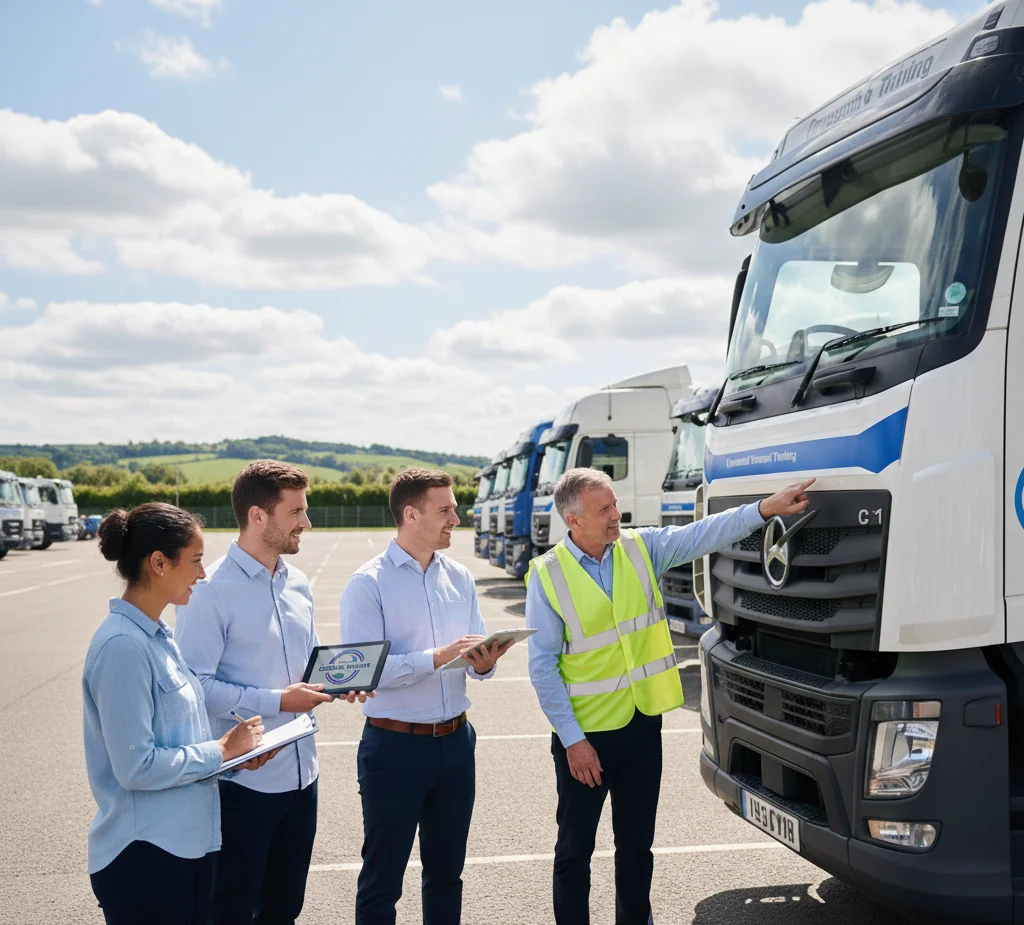
At Commercial Transport Training, we see this transition up close through our driver development and fleet training. Here’s a clear, balanced view of where things are heading, what’s realistic today and what you can do to prepare.
Why electric HGVs are gaining ground
Three forces are pushing the market forward: sustainability goals, operating economics and driver experience.
Sustainability: Many operators are facing customer contracts with embedded carbon targets. Electric HGVs cut tailpipe emissions to zero in operation, which helps logistics partners measure and report carbon reductions with far less complexity than fuel-based offsets and calculations.
Economics: Battery prices are trending down, maintenance is simpler than with diesel engines, and urban delivery penalties for older vehicles are only going one way. For duty cycles with predictable routes, frequent stops and depot-based operations, electric HGVs can be cost-competitive, especially when you factor in lower maintenance and the potential to charge off-peak.
Driver experience: Drivers tell us they value the quieter cab, instant torque, smoother acceleration and reduced fatigue from fewer vibrations. The job is still demanding, but the driving feel of electric HGVs is undeniably different in a positive way.
What’s workable today, and what’s still emerging
It’s easy to get lost in the headlines. Here’s the practical view we share in training:
- Urban and regional routes: Electric HGVs are already well suited to multi-drop urban work and short regional routes where vehicles return to base. Predictable mileage and overnight depot charging make planning straightforward.
- Long-haul: It’s improving, but range, payload trade-offs and charging access remain key considerations. Some fleets are looking at “bridge” strategies, such as using electric HGVs for the first and last legs and diesel for the trunk, until infrastructure coverage is broader.
- Charging: Depot charging is the simplest starting point. En-route charging is growing, but planning is still important. Smart charging and energy management software can prevent bottlenecks and help flatten costs.
- Payload and body specs: Vehicle design is evolving quickly. It’s worth running a fresh payload analysis rather than assuming the compromises are the same as last year.
The skills shift: training for electric HGV operations
Transitioning isn’t just about new kit; it’s about people and process. That’s where CTT Limited comes in. We help drivers and managers build the competencies that make electric HGVs productive and safe from day one.
Driver familiarisation: Regenerative braking changes stopping behaviour and brake wear. Smooth throttle application helps maximise range. We coach drivers through these adjustments with practical, on-vehicle guidance.
Safety and high-voltage awareness: Electric HGVs are exceptionally safe in normal operation, but they do involve new systems and procedures. We cover safe isolation principles for non-technicians, emergency response basics and what to do post-incident.
Efficient route and charge planning: Range confidence comes from planning. We teach drivers and planners to use energy-aware routing, allow for weather and load impacts, and build realistic charge windows into schedules.
Fleet management know-how: For transport managers, we focus on utilisation, state-of-charge reporting, charge scheduling, and KPI frameworks that reflect electric operations, not just diesel-era metrics.
If your team is looking to upskill, CTT Limited can tailor modules around your routes, vehicles and depot setup, so training fits how you actually work.
Total cost of ownership: how to run the numbers sensibly
The business case for electric HGVs rests on TCO rather than sticker price. When we support fleets through this analysis, we suggest you:
- Map duty cycles first: Range and charging strategies depend on your real-world routes, loads and dwell times. Get those nailed before comparing vehicles.
- Model electricity costs over time: Include standing charges, time-of-use tariffs and possible on-site generation. Night-time charging can be a big win.
- Include maintenance savings: Fewer moving parts can mean fewer workshop hours. Build that into your model, alongside tyre wear from higher torque and regen patterns.
- Consider incentives and compliance costs: Grants, local clean-air charges and tax treatments can materially shift the picture.
- Stress-test scenarios: Run a best case, base case and tough case. Look at weather impacts, payload variance and driver behaviour.
The headline: for the right routes, electric HGVs can be competitive now. For longer routes, the decision might be phased, starting with specific depots or regions.
Infrastructure, sorted: practical steps for depots
Charging sounds daunting until you break it down.
- Start with a pilot lane: Electrify a handful of bays and scale from there. This de-risks your first phase while you learn how vehicles cycle through your site.
- Go smart, not just bigger: Software that schedules charging around shifts and grid capacity can be as valuable as adding hardware. Load balancing prevents costly peaks.
- Engage your DNO early: Grid conversations take time. The sooner you talk, the smoother your expansion.
- Think layout and safety: Clear markings, walkways and cable management matter. We include depot safety walk-throughs in our training programmes to make sure new routines bed in.
What about hydrogen and other fuels?
Hydrogen fuel cell trucks will likely find roles in specific long-distance and heavy-payload use cases, especially where refuelling mirrors current diesel patterns. That said, infrastructure is even earlier-stage than for electric, and total costs vary widely. Many fleets will adopt a mixed strategy in the medium term: electric HGVs for regional and urban work, other low-carbon options for specialised long-haul missions. The key is to stay technology-agnostic while building internal skills that transfer across platforms.
Compliance, audits and a culture of safety
New technology doesn’t remove your existing responsibilities; it adds a few more. We encourage operators to:
- Update risk assessments: Reflect high-voltage systems, charging operations and recovery procedures.
- Refresh CPC content: Make sure ongoing periodic training includes electric HGVs, not just conventional modules.
- Create clear incident playbooks: Drivers and supervisors should know exactly who to call, how to isolate an area and how to record details.
Commercial Transport Training helps teams align training with DVSA standards and good industry practice, giving you a documented trail that supports audits and customer assurance.
Common myths we hear, and how they stack up
“Electric HGVs won’t cope in winter.” Range does dip in cold weather, but planning and pre-conditioning help. Many fleets run reliably through winter with adjusted buffers and revised charge windows.
“Charging will ruin our schedules.” Depot-first strategies with night charging often slot into existing patterns. For time-critical work, some fleets keep a contingency diesel unit during the transition, then retire it as confidence grows.
“Drivers won’t like them.” Most are pleasantly surprised. The learning curve is real, but with the right induction, drivers often prefer the calmer cab and smoother power delivery.
Getting started: a phased roadmap
Here’s a straightforward plan we use with customers:
- Discovery: Gather route data, energy tariffs and depot constraints. Identify 3–5 candidate routes for electric HGVs.
- Pilot: Deploy a small number of vehicles, install depot chargers and run for 8–12 weeks with defined KPIs.
- Evaluate: Review utilisation, energy cost per mile, driver feedback and schedule adherence. Tune training and charging rules.
- Scale: Expand to additional routes and depots, integrate smart charging and refine maintenance workflows.
- Continuous improvement: Keep CPC and manager training current, and revisit your TCO model every quarter as utilisation and tariffs evolve.
Commercial Transport Training can support each stage with hands-on training, driver coaching and manager workshops designed specifically for electric HGV operations.
Final thoughts
The future of commercial transport is practical, not theoretical. Electric HGVs won’t replace every diesel overnight, and they don’t need to. Start where the numbers work, build capability in your team and grow from there. The fleets that move early gain hard-won experience, stronger relationships with energy partners and a credible sustainability story they can share with customers.
If you’re planning your first pilot, or you want to upskill drivers and managers before new vehicles arrive, Commercial Transport Training is ready to help. From electric HGV familiarisation to safety, route planning and depot practices, we’ll train your people to get the best from the technology and keep your operation running smoothly.
Ready to explore a tailored training plan for electric HGVs? Get in touch with CTT Limited and let’s map out your next steps.